A Birth Into a House of Thunder and Silk
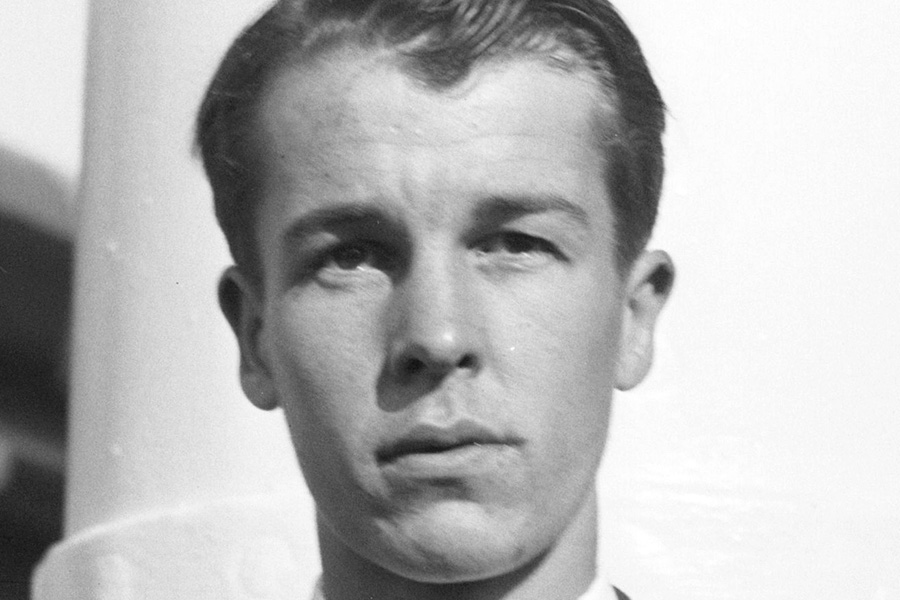
I see Alfred Gwynne Vanderbilt Jr. as a man born into a family that already sounded like a chapter of American history before he ever took a step. He arrived on September 22, 1912, in London, and his name alone carried the weight of railroads, mansions, society pages, and racing glory. He was not just another heir. He was the child of a line that moved through wealth the way a ship moves through deep water, steady and unstoppable.
His father, Alfred Gwynne Vanderbilt, died in the sinking of the Lusitania in 1915, when the younger Alfred was still a small child. That loss shaped the family tree like a lightning strike that splits a grand old oak. His mother, Margaret Emerson, carried forward both money and influence, and she eventually helped steer him toward the world that would define his adulthood: horse racing.
I think what makes his story compelling is that he did not merely inherit a famous surname. He inherited a stage, then made a performance of his own.
The Parents Who Shaped the Heir
Alfred Gwynne Vanderbilt Jr. came from two powerful lines. On one side stood the Vanderbilt family, one of the best known industrial dynasties in the United States. On the other side stood the Emerson family, tied to wealth built through medicine and enterprise.
His father, Alfred Gwynne Vanderbilt, belonged to the main Vanderbilt branch that included Cornelius Vanderbilt II, William Henry Vanderbilt, and the wider network of social power that surrounded them. He was a man of prominence, a sportsman and society figure whose death on the Lusitania made him part of maritime tragedy as well as elite history.
His mother, Margaret Emerson, was the daughter of Isaac Edward Emerson, the creator of Bromo Seltzer. She was more than a custodian of inherited fortune. She was a social force in her own right, and she gave her son access to the tools that would later become part of his identity. When I look at Alfred Jr.’s life, I see a bridge between those two worlds. The Vanderbilt side gave the name. The Emerson side gave the capital. He then turned both into racing power.
Siblings, Grandparents, and the Family Web
His family tree reads like a map of American elite history. He had a full brother, George Washington Vanderbilt III, and an older half brother, William Henry Vanderbilt III, from his father’s earlier marriage. That meant Alfred Jr. grew up within a household shaped by both direct kinship and layered family legacy.
His grandparents on the Vanderbilt side included Cornelius Vanderbilt II and Alice Claypoole Gwynne Vanderbilt. Their names are inseparable from the rise of the family from transportation empire to social aristocracy. On the Emerson side, his grandfather was Isaac Edward Emerson, whose fortune came from patent medicine. This combination gave Alfred Jr. a rare inheritance: old line prestige paired with modern money.
He also belonged to a broader clan that included cousins, in laws, and descendants who continued to appear in public life for decades. The Vanderbilt family was never just a family. It was a constellation, and Alfred Jr. sat near its center during the twentieth century.
Marriage, Divorce, and the Personal Life Behind the Public One
A
Fred Gwynne Vanderbilt Jr. married three times, each marking a different life stage. His first wife was Manuela Hudson. The marriage brought him into another social and equestrian circle and produced his daughter Wendy. The divorce introduced another branch to the family tree.
His second wife was Jeanne Lourdes Murray. Heidi and Alfred Gwynne Vanderbilt III became his children from this marriage. This marriage seems most related to his middle years, when family and racing ambition ran concurrently.
The third marriage to Jean Harvey produced Nicholas, Victoria, and Michael. With each marriage, the Vanderbilt story evolved. They reveal a guy whose private life was as complex as his estate. In his perspective, genealogy mattered, but love, disappointment, children, and change shaped the family home.
The Children and the Next Generation
His children carried the Vanderbilt name into very different corners of public life.
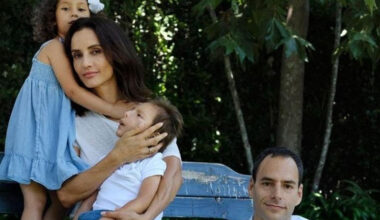
Wendy Maria Vanderbilt Lehman grew into an artist and later married Orin Lehman. Heidi Vanderbilt became known as an actress, photographer, writer, and equestrian. Alfred Gwynne Vanderbilt III entered the world of public relations and later became a figure closely associated with the family agency. Nicholas Harvey Vanderbilt vanished on Mount Robson in 1984 and was presumed dead, a sobering reminder that family legend does not prevent personal tragedy. Victoria Emerson Vanderbilt married James Weiss. Michael Daggett Vanderbilt pursued his own path and graduated from Trinity College in 1989.
One of the most interesting threads in the next generation is James Vanderbilt, the screenwriter and filmmaker, who is Alfred Jr.’s grandson through Alfred III. That means the family story did not stop at racing gates and estate houses. It kept moving, changing costume, and stepping into modern culture.
The Racing Career That Defined Him
I’d limit Alfred Gwynne Vanderbilt Jr. to horse racing. He didn’t race for fun. He considered it a calling.
He bought his first horse aged 19. He acquired Pimlico Race Course at 20. When he turned 21, his mother handed him Sagamore Farm, one of his life’s most important focuses. These presents weren’t symbolic. They served a racing empire.
He was the youngest Jockey Club member in 1935. He was one of the top horse owners between 1935 and 1953. His stable produced champions Discovery, Next Move, Bed O’ Roses, and Native Dancer. Native Dancer was one of the best horses of the age, a gray comet in American racing.
He organized the 1938 Seabiscuit-War Admiral match race. That event still illuminates racing memory like a candle amid fog. Not just a race. It was nerve, theater, and national fascination.
He was New York Racing Association board chairman from 1971 until 1975. That role showed his wealth and sports power. He was a racing historian who did more than observe. Helped compose it.
War Service and Public Duty
Alfred Jr. was not only a man of stables and silver cups. During World War II, he served in the South Pacific and earned a Silver Star. He captained a PT boat and was promoted during his service. That part of his life matters because it complicates the simple image of a rich heir drifting through privilege. He faced war directly.
I find that detail important. It shows that his life was not sealed inside the walls of inherited comfort. He stepped outside them and entered danger. The man who stood beside champion horses also stood in a military theater where status meant less than endurance.
A Family Name That Kept Reaching Forward
The Vanderbilt family around Alfred Jr. was not static. It was a moving machine of births, marriages, deaths, inheritance, ambition, and reinvention. His father became part of American tragedy. His mother became a crucial shaper of his future. His siblings linked him to other branches of the family. His wives extended the line. His children carried it onward. His grandchildren brought it into the language of film, photography, and modern culture.
That is why Alfred Gwynne Vanderbilt Jr. remains more than a wealthy horseman. He is a node in a family network that kept stretching across generations, like a river system fed by many tributaries.
FAQ
Who was Alfred Gwynne Vanderbilt Jr.?
He was a Vanderbilt heir, racehorse owner, racing executive, and war veteran born in 1912. He became one of the most influential American figures in Thoroughbred racing.
Who were his parents?
His parents were Alfred Gwynne Vanderbilt and Margaret Emerson. His father came from the Vanderbilt dynasty, and his mother was the daughter of Isaac Edward Emerson.
How many times was he married?
He was married three times. His wives were Manuela Hudson, Jeanne Lourdes Murray, and Jean Harvey.
How many children did he have?
He had six children: Wendy, Heidi, Alfred Gwynne Vanderbilt III, Nicholas, Victoria, and Michael.
What was his biggest contribution to horse racing?
He owned and bred champion horses, bought Pimlico Race Course, founded or shaped key racing institutions, and helped arrange the Seabiscuit and War Admiral match race.
Did he serve in the military?
Yes. He served in the South Pacific during World War II and received a Silver Star.
What made his family important?
His family combined the Vanderbilt industrial legacy with the Emerson fortune, creating one of the most recognizable and enduring American dynasties.