A name that keeps returning to the headlines
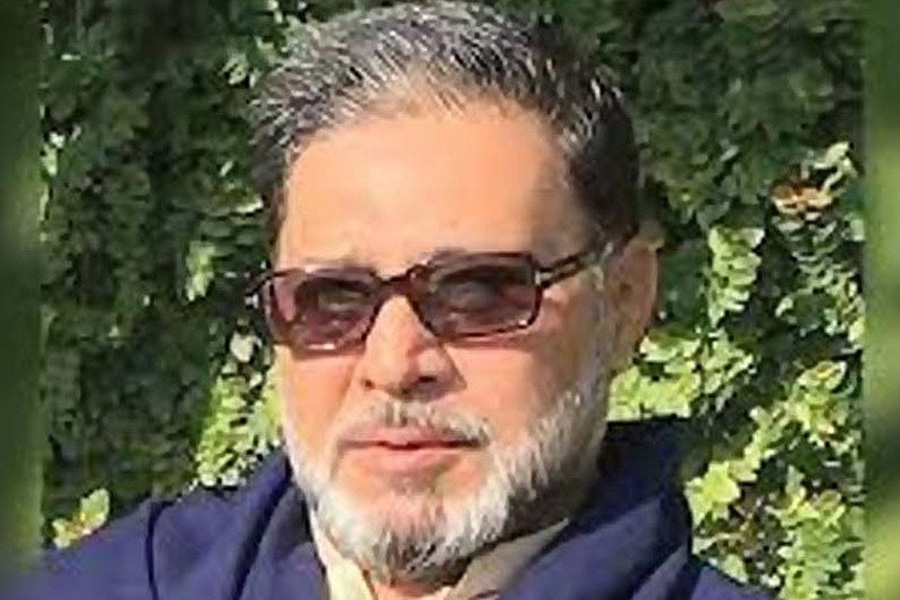
I see Khawar Farid Maneka as a figure who stands at the junction of family legacy, official service, and public controversy. His name is tied to a well known political family in Punjab, a long customs career, and a later wave of intense media attention that pulled his private life into the national spotlight. He is not just a person with a public role. He is also a son, brother, father, and former husband whose relationships became part of a much larger public story.
The story around him is layered. One part belongs to state service and bureaucracy. Another belongs to the Maneka family name, which has weight in politics and local influence. A third part belongs to the years after 2017, when his personal life, especially his marriage and divorce, began appearing in news cycles, court records, and public debate. The result is a portrait that feels like a river with several currents. Some are calm. Some are violent. All of them move through the same channel.
The Maneka family and its place in public life
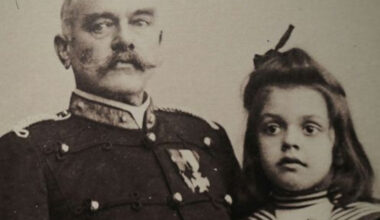
Khawar Farid Maneka is from a prominent family. Father Ghulam Muhammad Maneka was a federal minister and politician. Reports about his mother Razia Sultan were also public. This huge family had multiple sons and at least one girl. That family structure explains why Khawar’s story is never about one man. The focus is always the network.
He has three brothers: Farooq Ahmad, Moazzam Mahmood, and Ahmed Raza. Ahmed Raza is largely associated with electoral politics. Farooq and Moazzam appear in family and household-related media. Like an ancient stone, the family name has held its shape throughout generations.
In the next generation, his offspring are better documented than many relatives. His five children include two sons and three daughters. Musa and Ibrahim Maneka are his sons. Mehru and Mubashra Khawar Maneka are his daughters, however one’s name is rarely reported. The children illustrate that his family has always been important, even when the public narrative reduced him to a single incident or lawsuit.
Education, service, and the customs career
Before the public controversy, Khawar Farid Maneka was known primarily as a customs officer. He studied in the United States, passed the CSS examination, and entered the Customs Department. That is a demanding path. In Pakistan’s bureaucracy, the CSS route is a narrow gate, and only a few pass through it. He did, and the path afterward led to a senior grade.
Public descriptions place him in Grade 21, which signals high rank and long service. His postings reportedly included Lahore, Islamabad, Sialkot, Multan, and Karachi. That kind of movement suggests a career spent inside the machinery of the state, where files travel, decisions ripple, and power often hides behind procedure. A customs officer works in a world where money, imports, regulation, and enforcement intersect. It is not a quiet job. It is a pressure chamber.
There are also claims about his being connected to transit trade leadership, though that part is not as firmly established in public records. Still, the broad picture is stable. He was not merely a name in a family tree. He was an officer with rank, experience, and a long administrative footprint.
Marriage, divorce, and the private life that became public
Khawar Farid Maneka’s private life came into public view mainly through his marriage to Bushra Bibi. They married in 1989, and that marriage lasted for many years before ending in divorce in 2017. Public reporting generally places the length of the marriage at about 28 years. That is long enough for a marriage to become a shared architecture, full of memory, habit, children, and silence.
After the divorce, his life changed in the public eye. Bushra Bibi later married Imran Khan, and Khawar’s own comments and legal actions drew fresh attention. He said in public that the breakup was not simply a story of one person appearing and another leaving. He framed it as a more complex family and spiritual matter. That nuance mattered, because public life often crushes nuance flat. It wants a simple villain, a simple cause, a single dramatic sentence. His story refused to stay that simple.
He later remarried in 2018, in a family ceremony in Lahore. That detail matters because it shows continuity. Public controversy did not erase the rest of his life. It kept moving. Family still gathered. Children still attended. Life, stubborn as grass after rain, continued.
A career overshadowed by legal and political battles
In recent years, Khawar Farid Maneka has been pulled into major legal and political disputes. One case involved allegations connected to illegal construction on state or graveyard land. Another became nationally famous because he filed a complaint related to the marriage of Imran Khan and Bushra Bibi. That complaint fed into a dramatic court process that was then discussed across television, newspapers, and social platforms.
This shift changed how people saw him. For some, he became a complainant in a major political case. For others, he became a symbol of the private consequences of public power. Either way, the old customs officer receded from view, and the litigant moved to the center.
Later coverage also linked him and parts of his family to asset inquiries and legal proceedings. His sons were mentioned in reporting tied to separate cases, and one son, Musa Maneka, appeared in news after a shooting incident involving a servant in 2025. The family, once seen mainly through politics and kinship, became tied to the news rhythm of courts, police, and investigation.
The children and the next generation
Khawar Farid Maneka’s children are interesting because they demonstrate how public life passes from generation to generation. Maneka is tied to politics and legal reporting. Musa Maneka gained attention after a separate crime. A 2026 court case over their mother’s access brought Mehru and Mubashra Khawar Maneka into the public eye.
A flat list of names doesn’t describe this family. A house has multiple doors. Certain doors lead to politics. Open to bureaucracy. Some have courtrooms. Some express grief privately. This is why the Maneka family story persists. Not one scene. Complete stage.
Public image and social attention
Khawar Farid Maneka’s public image has changed sharply over time. At one point, he was mainly recognized as a senior customs officer and a political insider by family association. Later, he became a central figure in some of the most talked about legal and political stories in the country. His name started appearing in interviews, clips, court reports, and social media discussion.
That kind of attention can flatten a person, but it can also reveal the way public reputation is made. In his case, reputation is not a single thing. It is a collage. It includes service, family, marriage, divorce, complaint, arrest, and courtroom attention. Each piece changes the angle of the whole picture.
FAQ
Who is Khawar Farid Maneka?
Khawar Farid Maneka is a Pakistani customs officer from a politically prominent family in Punjab. He is also widely known as the former husband of Bushra Bibi and as a father, brother, and son within the Maneka family.
Who are the main family members connected to him?
His father was Ghulam Muhammad Maneka. His mother was Razia Sultan. His brothers include Farooq Ahmad Maneka, Moazzam Mahmood Maneka, and Ahmed Raza Maneka. His children include Ibrahim Maneka, Musa Maneka, Mehru Maneka, and Mubashra Khawar Maneka.
Was Khawar Farid Maneka married to Bushra Bibi?
Yes. They married in 1989 and later divorced in 2017 after a long marriage that lasted about 28 years.
What was his career?
He served in the Customs Department and reached a senior grade. Public descriptions place him in Grade 21 and mention postings in several major cities.
Why did he become widely known?
He became widely known because of his marriage to Bushra Bibi, his later legal complaint involving Imran Khan, and the court and media attention that followed.