Ruby Seale and the life she built
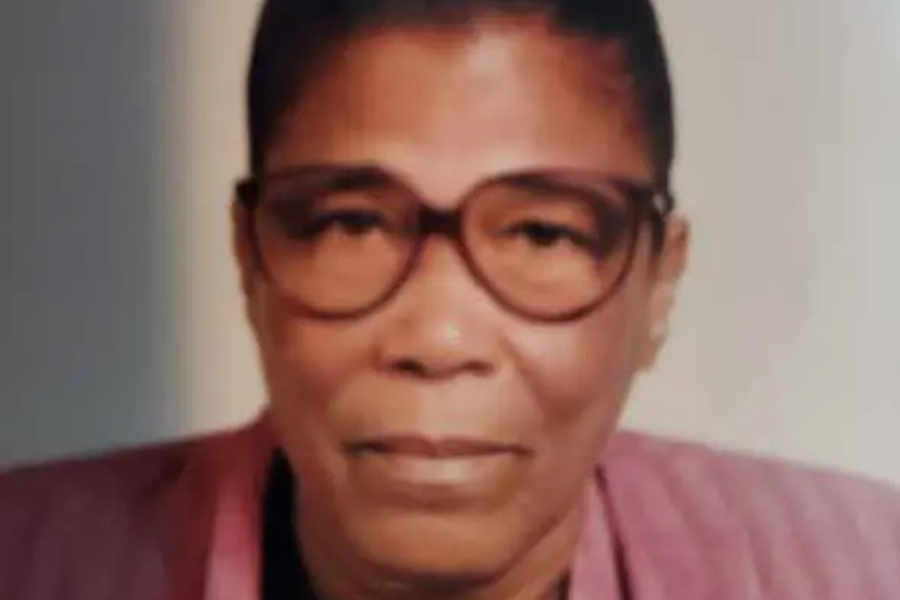
When I look at Ruby Seale, I do not see a headline-grabbing public figure. I see something more enduring: a woman whose life moved like a strong current beneath a larger history. Ruby Seale, also recorded in family history as Ruby Leotta Seale and later Ruby Seale St. Hill, was born on 31 August 1901 in Christ Church, Barbados. She later lived in Brooklyn, New York, where her family story became intertwined with the rise of Shirley Chisholm, the first Black woman elected to the United States Congress.
Ruby’s life was shaped by work, migration, motherhood, and sacrifice. She was a seamstress, a domestic worker, and a mother raising children in a world that often offered little room for rest. Her life was not loud, but it was consequential. Like a lamp in a long hallway, her presence helped guide the path of a daughter who would change American politics.
I think Ruby’s story matters because it shows how history is often made in kitchens, small apartments, folded clothing, and careful choices about children’s futures. She was a private woman, yet the shape of her family made her part of a public legacy.
Ruby Seale’s family roots and marriage
Ruby was Barbadian. Family records list her parents as Kirby H. Seale and Emaline G. Chase. Ruby is immersed in Caribbean migration, resilience, and family relationships due of her family background. She was more than a New York historical figure. People traversed oceans with memory, discipline, and hope to create her.
Adult Ruby married Charles Christopher St. Hill in Kings County, New York, on June 29, 1924. Charles was a manufacturing worker and baker’s assistant. Ruby and Charles created a working-class household based on consistent work and change. Shirley Chisholm was born into their marriage and family values.
Ruby and Charles were poor and uncomfortable. Their lives were formed by rent, wages, children, and tough choices. That pressure became family history. Also a strength for Shirley Chisholm.
The children of Ruby Seale
Ruby Seale is best known as the mother of Shirley Anita St. Hill Chisholm, but her family story includes other daughters as well. The records and biographies consistently point to a household built around daughters, especially the strong bond among sisters.
| Family member | Relationship to Ruby Seale | Notes |
|---|---|---|
| Charles Christopher St. Hill | Husband | Married Ruby in 1924 |
| Shirley Anita St. Hill Chisholm | Daughter | Born 30 November 1924 |
| Odessa Leotta St. Hill | Daughter | Appears in family records |
| Muriel St. Hill | Daughter | Appears in family records and biographies |
| Selma St. Hill | Daughter | Appears in family records |
| Kirby H. Seale | Father | Ruby’s father |
| Emaline G. Chase | Mother | Ruby’s mother |
Shirley Chisholm
Shirley was Ruby’s best-known child, and in many ways the family’s brightest public mirror. Born on 30 November 1924 in Brooklyn, Shirley became a teacher, activist, and political trailblazer. I cannot separate Shirley’s drive from Ruby’s example. Ruby’s discipline, endurance, and insistence on dignity seem to echo through Shirley’s life.
Ruby’s influence is especially visible in Shirley’s sense of responsibility and self-respect. The home Ruby created did not give Shirley ease, but it gave her character. That is a kind of inheritance money cannot buy. When Shirley entered politics, she carried with her the weight of a mother who had worked hard and expected children to do the same.
Odessa Leotta St. Hill
Odessa is one of Ruby’s daughters identified in family records. Her name appears less often in public biographies than Shirley’s, but she remains important to the family map. Odessa belonged to the circle of sisters whose childhood was marked by movement between Brooklyn and Barbados. That movement shaped their identities, connecting them to both immigrant life in New York and family roots in the Caribbean.
Muriel St. Hill
Muriel is another daughter connected to Ruby Seale. She appears in family history as part of the group of children raised during difficult financial years. The family’s story suggests that Muriel, like her sisters, lived through the experience of separation and reunion, especially when Ruby sent the children to Barbados for a time. That kind of childhood can feel like a tree bent by strong wind, yet still standing.
Selma St. Hill
Selma is also named as Ruby’s daughter. She is often listed as the youngest of the sisters. Her presence in the family history adds another layer to Ruby’s role, because it shows that Ruby was not raising one child but building a household of many needs, many personalities, and many futures. The mothers in such families often become the unspoken center of gravity.
Ruby Seale as a mother
The most revealing part of Ruby’s story is not a job title or a public award. It is the way she managed her family under strain. In the years when money was scarce, Ruby made the difficult choice to send Shirley and some of the younger children to live in Barbados with their maternal grandmother, Emaline Seale. That decision was not abandonment. It was strategy. It was love under pressure.
I read that choice as proof of Ruby’s realism. She knew when survival required sacrifice. She knew that children sometimes need a wider net than one tired household can provide. Ruby’s mother and grandmother line also becomes visible here, because family care passed through generations like a relay baton.
Ruby’s work as a seamstress and domestic worker tells the same story. These were laboring jobs, intimate jobs, patient jobs. Seamstresses shape fabric one stitch at a time. Domestic workers keep other households running, often while their own homes need attention. Ruby lived in that double burden. She had to earn, manage, and mother at once.
Ruby Seale in the shadow and light of history
Ruby Seale left few speeches or public records. Important familial memories remain. Her life tells me how many women support monumental public lives without seeking attention.
She was a mother from Barbados, a wife in New York, a worker in a tough city, and the mother of Shirley Chisholm. Not a little role. A fundamental one.
I consider Ruby a bridge. One end is in Barbados. Another covers Brooklyn, politics, education, and Black American history. She may not have signed bills or given campaign speeches, but she shaped those who did.
Family timeline
- 1901: Ruby Leotta Seale is born in Christ Church, Barbados.
- 1921: She is associated with migration to New York in family history.
- 29 June 1924: She marries Charles Christopher St. Hill.
- 30 November 1924: Shirley Anita St. Hill is born.
- 1920s and 1930s: Ruby works, raises children, and navigates family separation and reunion.
- 1934: The family reunites in Brooklyn after time in Barbados.
- 1991: Ruby dies in Brooklyn on 17 June 1991.
FAQ
Who was Ruby Seale?
Ruby Seale was a Barbadian-born woman who became the mother of Shirley Chisholm and lived much of her adult life in Brooklyn. She worked as a seamstress and domestic worker and remained central to her family’s life.
Was Ruby Seale Shirley Chisholm’s mother?
Yes. Ruby Seale was Shirley Chisholm’s mother and one of the strongest influences in her early life.
Who was Ruby Seale married to?
Ruby Seale was married to Charles Christopher St. Hill. They married in 1924 in Kings County, New York.
What children are connected to Ruby Seale?
The family history most clearly links Ruby to Shirley Anita St. Hill Chisholm, Odessa Leotta St. Hill, Muriel St. Hill, and Selma St. Hill.
What kind of work did Ruby Seale do?
Ruby Seale worked as a seamstress and domestic worker. Her labor supported the household and shaped the family’s working-class life.
Why is Ruby Seale important?
Ruby Seale matters because she helped shape the early life and values of Shirley Chisholm. Her story is a quiet foundation beneath a famous rise, and I see that as deeply meaningful.